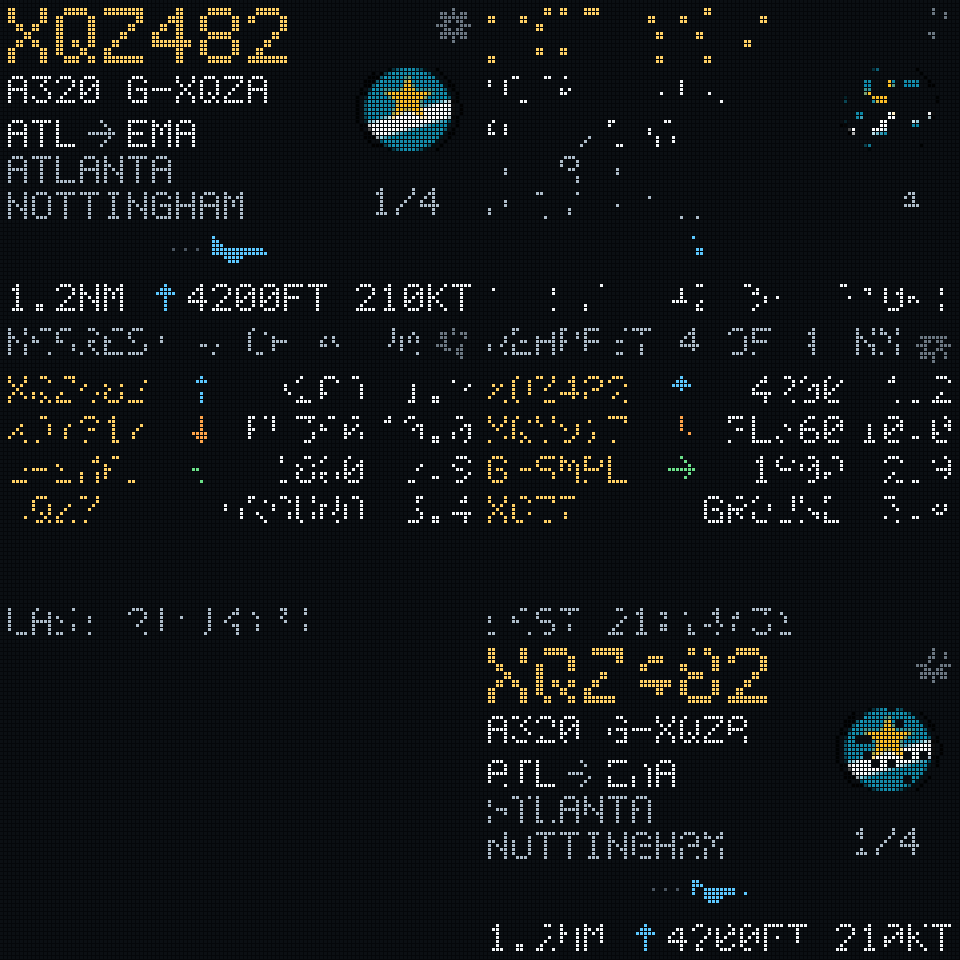
One flight at a time. Nearest first, every 12 seconds.
Side project · Raspberry Pi
Look up. Then look down.
The planes over your house, on a 3.5-inch screen.
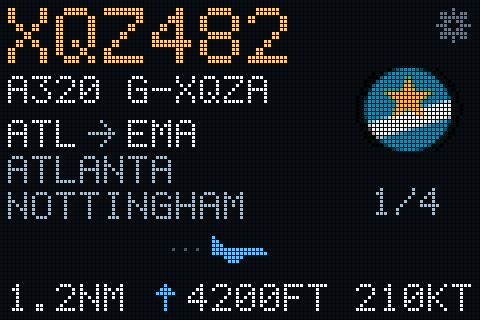
One flight at a time. Nearest first, every 12 seconds.
Seven looks. From airport LEDs to a desert island.
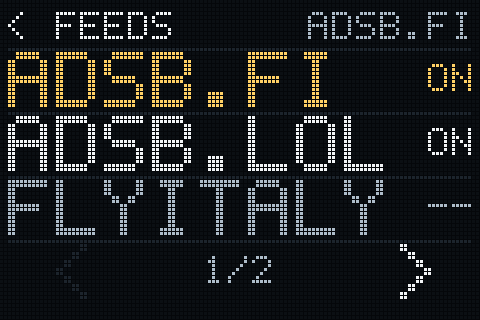
Three free feeds. If one drops, the next picks up.
It never lies. Old data never shows as live.
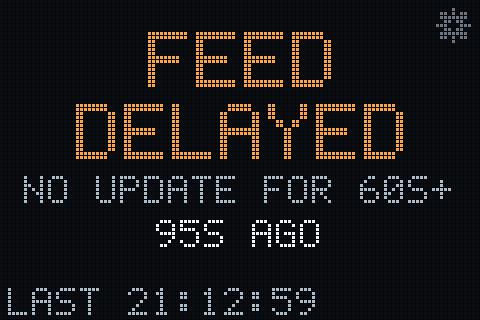
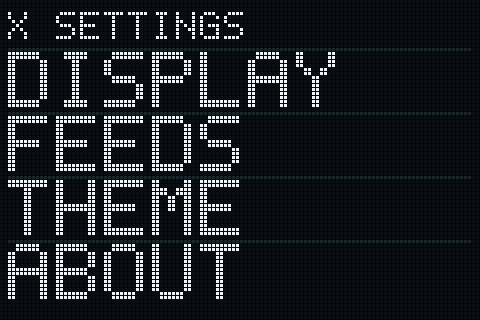
Touch to tune. A tiny cog opens a full settings menu.
Why
Planes cross over the house all day. Checking a phone app every time kills the moment. So the answer lives on a small screen on the shelf. Glance, and you know who, where from, and where to.
Free community data. Nothing to sign up for.
Polite to the volunteers who share the data.
Pillow to draw. certifi to trust. That's it.
How it works
Aircraft broadcast where they are. Hobbyists' receivers pick it up and share it. Flypi asks for planes within your radius and works out distance and direction itself.
One request every 15 seconds. 8 seconds to answer.
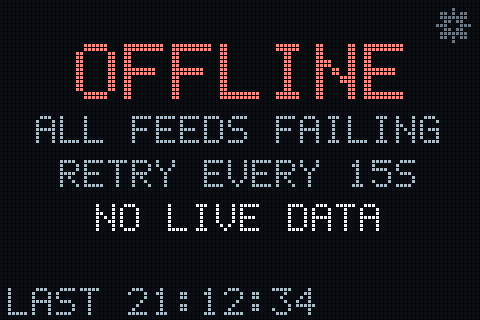
A feed that fails rests for 60 seconds. The next one steps in.
Nearest first, inside your own radius, up to 250 nautical miles.
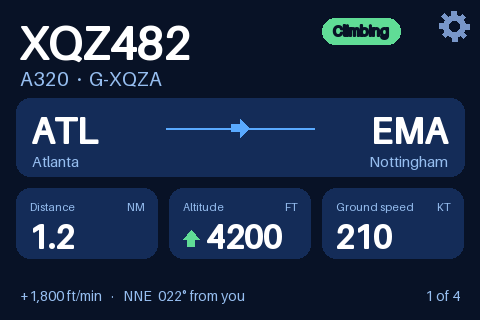
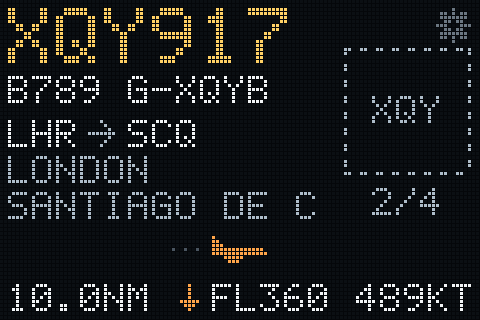
Callsign, aircraft, route, distance, height and speed.
The board
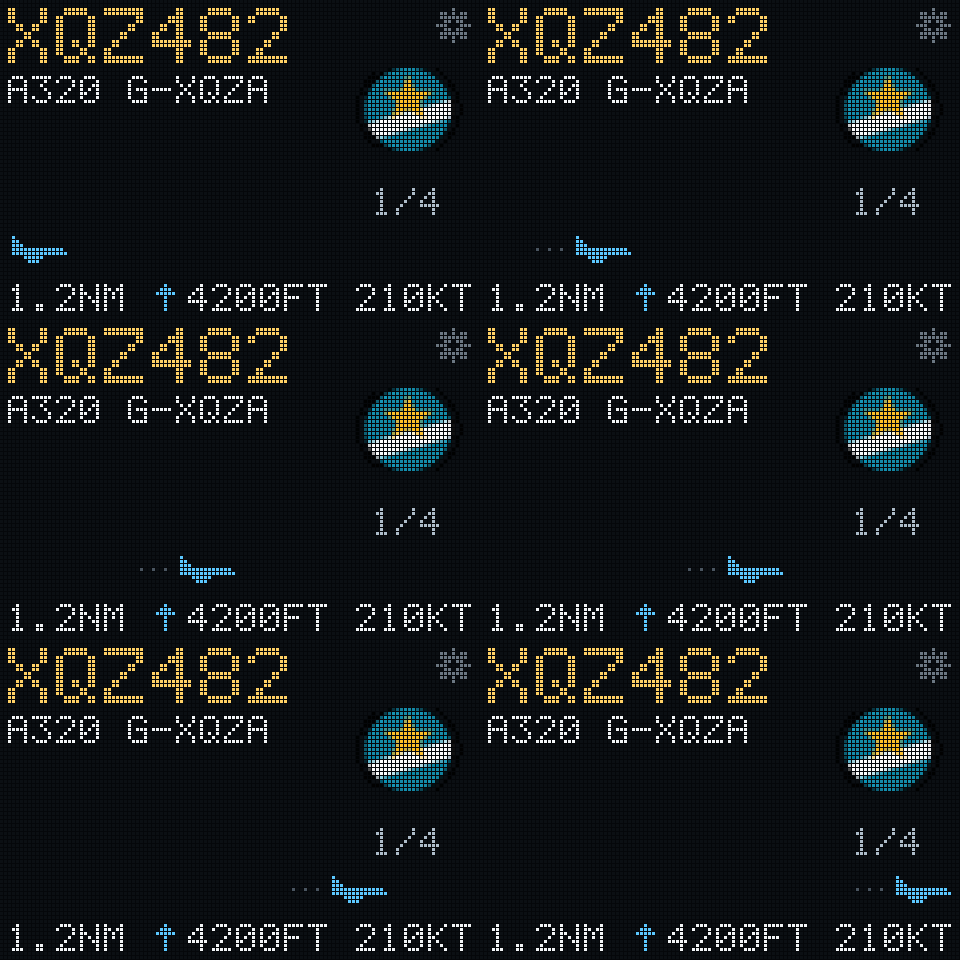
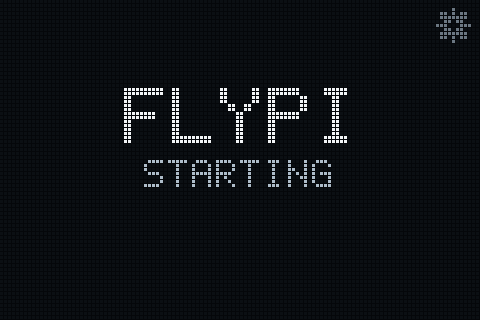
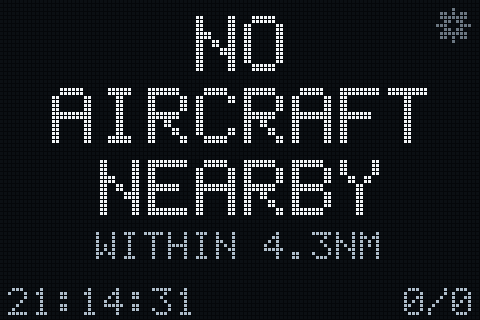
The screen is drawn on a 120 × 80 grid, then scaled up four times. Each cell becomes a lit square with a dark gap. A built-in 5×7 font, so no font files at all.
A small plane crosses the screen once per flight. Nose up and blue when climbing. Level and green when cruising. Nose down and orange on the way in.
If the data is old, it says so. Flights never show as live once the feed has gone quiet for a minute.
Themes
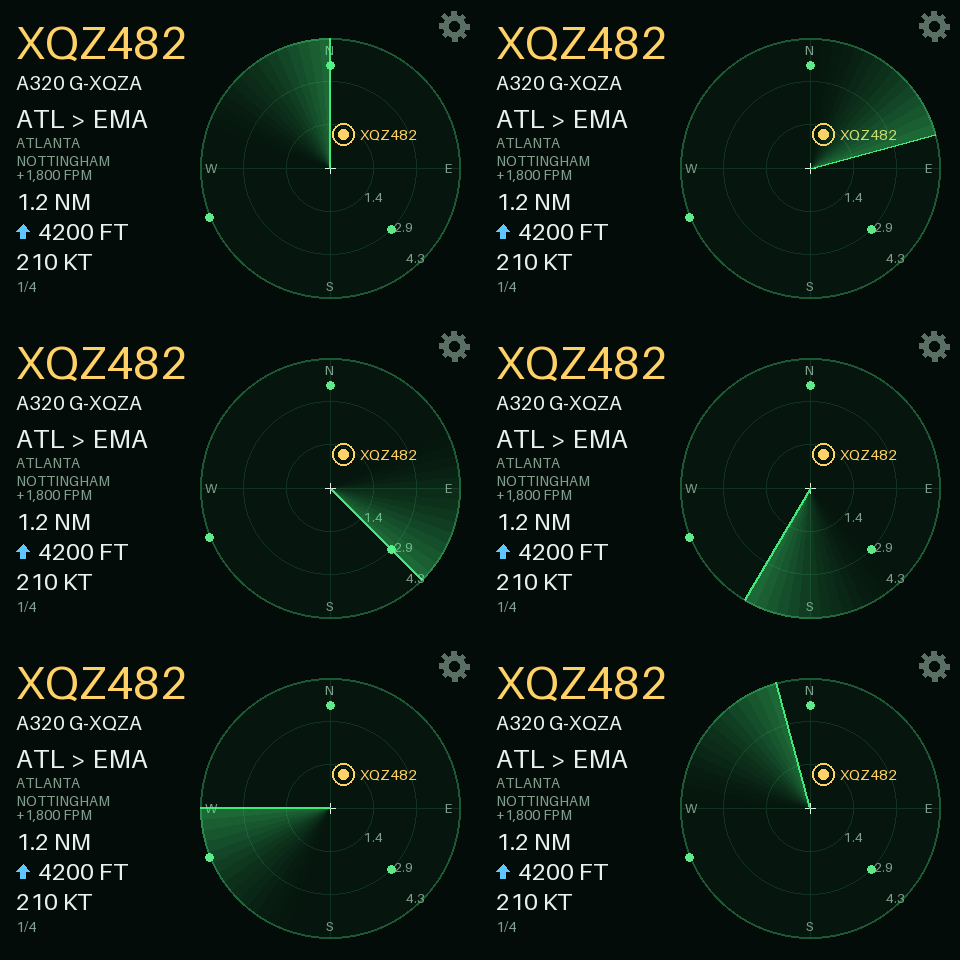
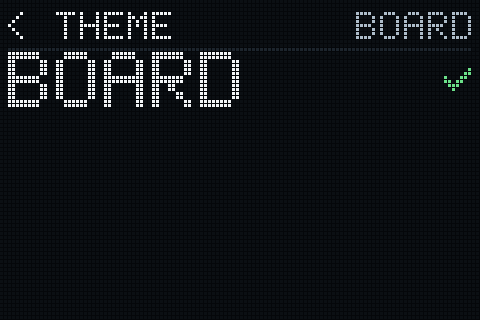
Each theme turns the same scene into its own picture. Pick one from the screen and it sticks.
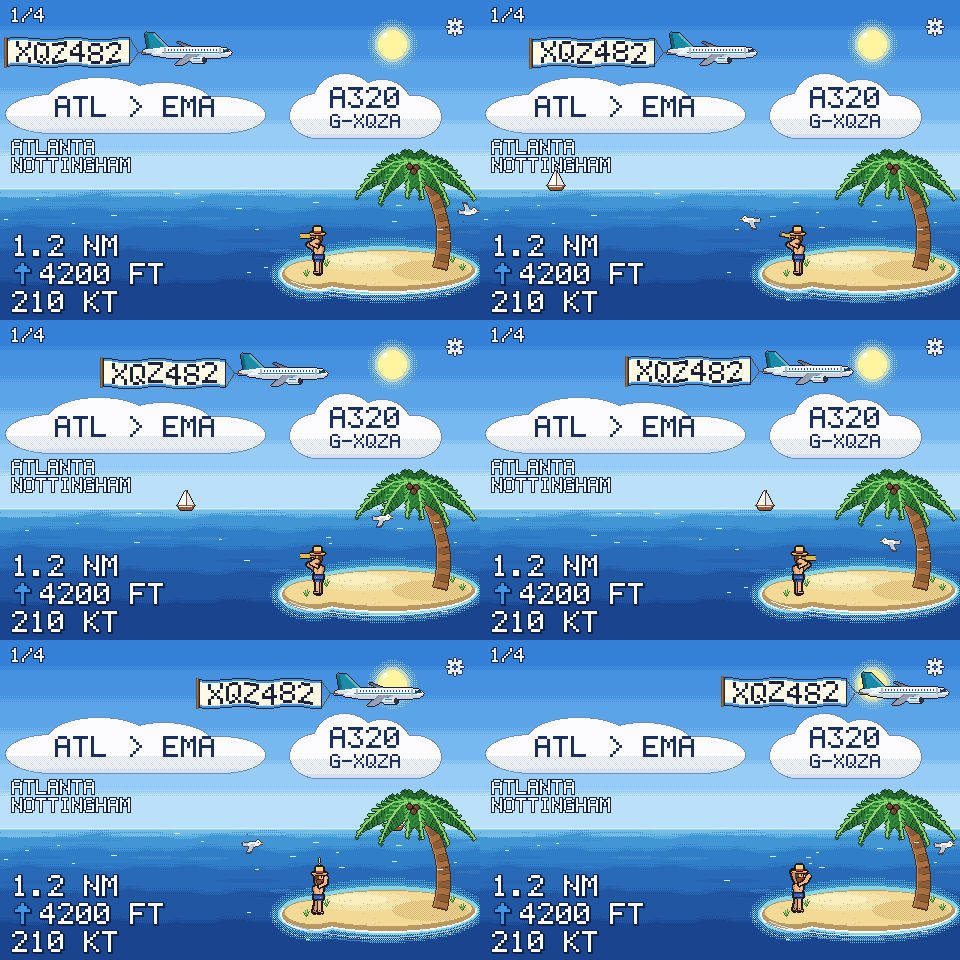
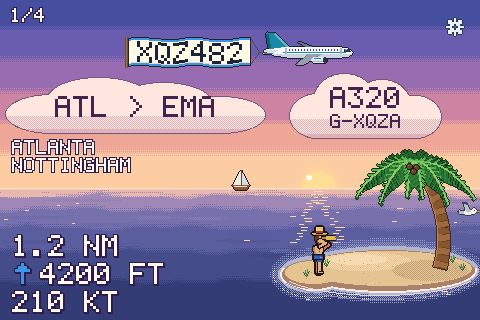
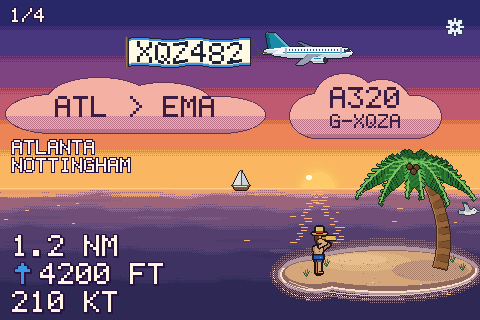
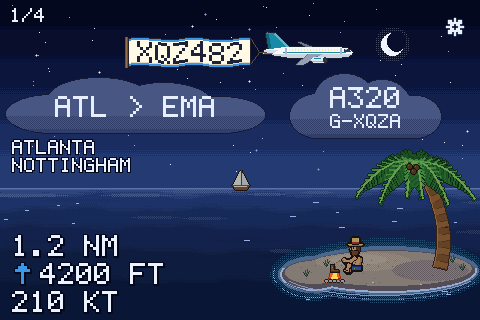
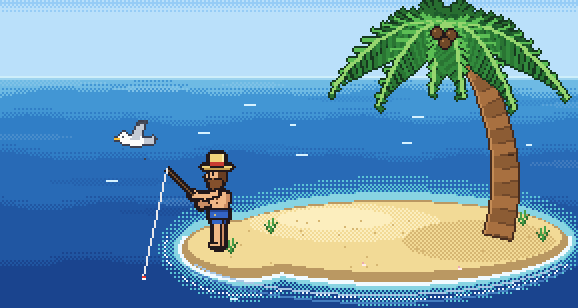
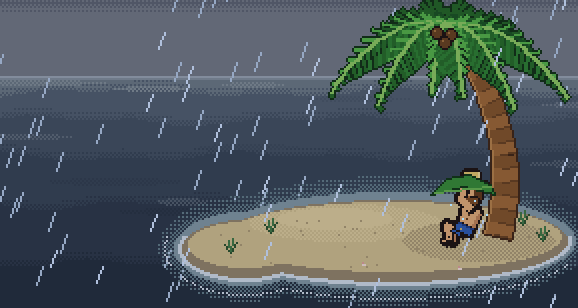
Castaway
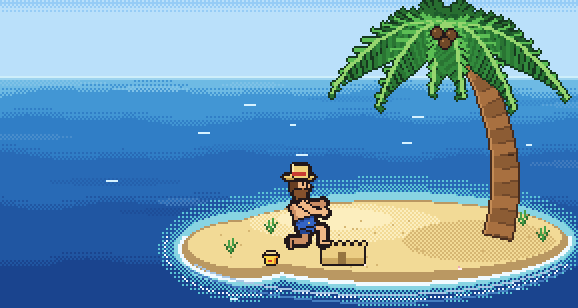
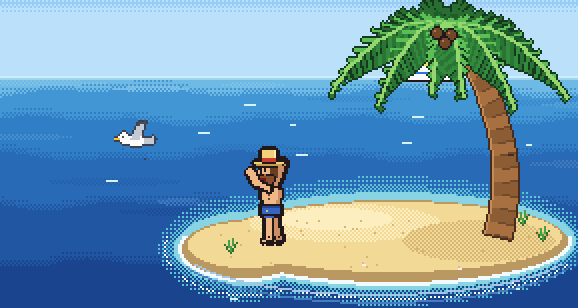
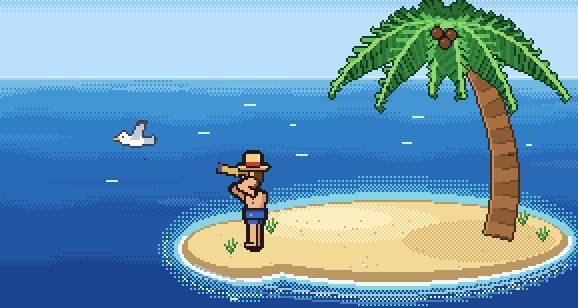
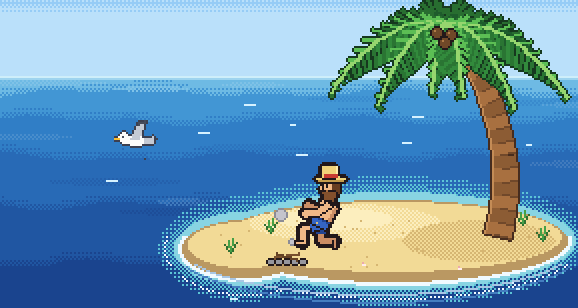
The sky follows the real time of day. Johnny the castaway has 15 things to do: fishing, sandcastles, waving at ships. All drawn in code, pixel by pixel.
Touch
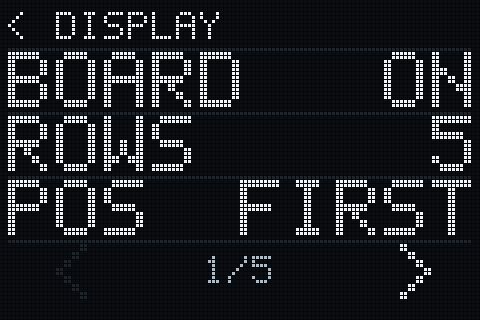
Big rows for fingers on a small screen. Pick a theme, reorder feeds, hide what you don't need. Or do it from your phone.
Raspberry Pi
A Pi Zero W runs headless and writes pixels straight to the screen. It starts itself on power-up. The same code runs on a Mac for design work.
Location lives in one private file that never leaves the Pi. Only airline callsigns are ever looked up.
One request at a time, polite pauses after failures, and credit to every feed.
What's next